

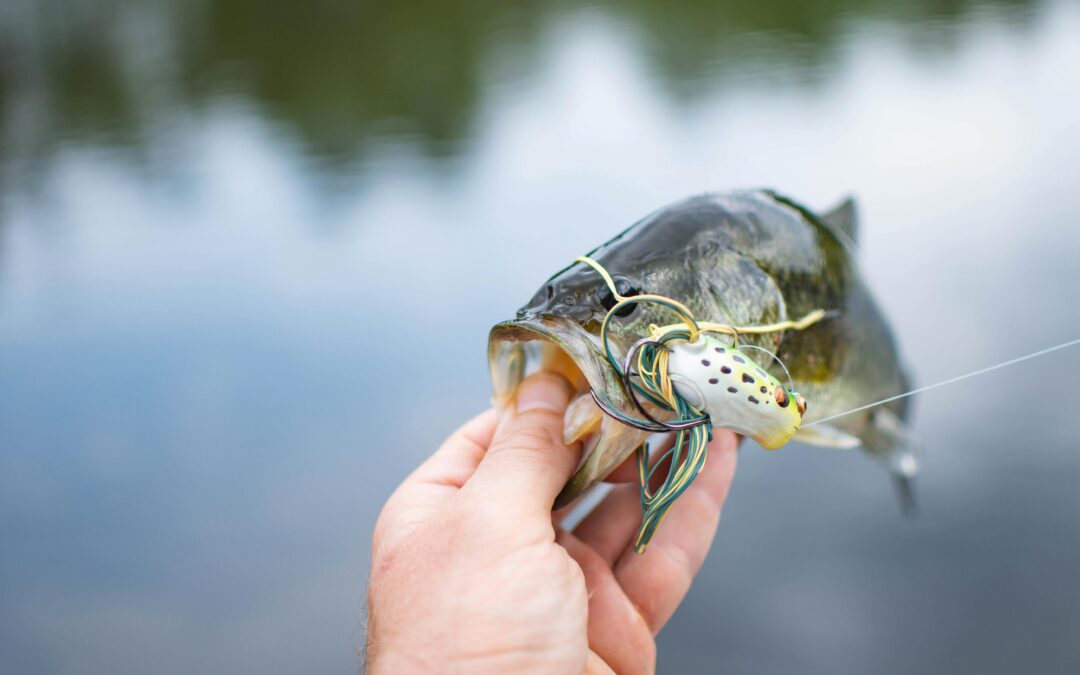
Fishing is both an art and a science, and one of the most important skills anglers can develop is choosing the right fishing lure. With so many lure types, colors, and sizes available, it can feel overwhelming for beginners to decide which one to use. However, understanding how different lures work and what fish they attract can dramatically improve your chances of landing a catch.
In this guide, we’ll explore how to choose the right fishing lure for different fish species and fishing conditions.
Understanding Why Lures Matter
Fishing lures are designed to imitate the movement and appearance of prey that fish naturally hunt in the water. Different fish species are attracted to different types of prey such as insects, small fish, worms, or crustaceans.
A well-chosen lure mimics these natural food sources through:
-
Color
-
Movement
-
Size
-
Vibration
-
Reflection in the water
Matching your lure to the fish’s natural diet and the conditions in the water can make a huge difference in your success rate.
Soft Plastic Lures
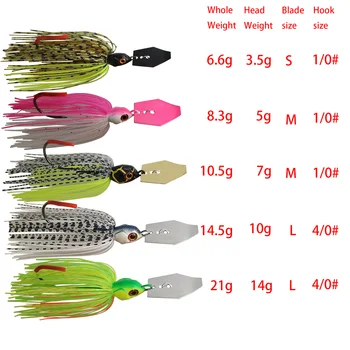
Soft plastic lures are one of the most versatile options for anglers. They are designed to imitate worms, baitfish, crawfish, and other prey that fish commonly eat.
These lures work well for species such as:
-
Bass
-
Walleye
-
Trout
-
Panfish
Soft plastics are popular because they create natural-looking movement in the water. Paddle tail swimbaits, for example, produce a swimming motion that attracts predatory fish.
They can be used in various techniques including jigging, slow retrieval, and bottom fishing.
Spinnerbaits
Spinnerbaits are excellent for attracting fish using vibration and flash. The spinning metal blade reflects light and creates movement that fish can sense through their lateral line.
Spinnerbaits work especially well in:
-
Murky water
-
Weedy areas
-
Shallow lakes and ponds
They are particularly effective for catching:
-
Largemouth bass
-
Northern pike
-
Muskie
Because spinnerbaits move smoothly through vegetation, they are great for fishing in areas where other lures might get snagged.
Crankbaits
Crankbaits are designed to imitate small fish and are great for covering large areas of water quickly. When retrieved, the lure dives and wiggles through the water like a fleeing baitfish.
Crankbaits work well for targeting:
-
Bass
-
Walleye
-
Pike
-
Trout
These lures come in different diving depths, allowing anglers to fish at various levels of the water column.
For example:
-
Shallow crankbaits work well near the surface
-
Deep diving crankbaits target fish hiding deeper in lakes or rivers
Topwater Lures
Topwater lures create exciting surface action that can trigger aggressive strikes from predatory fish. These lures stay on the water’s surface and mimic injured baitfish, frogs, or insects.
They are commonly used for catching:
-
Bass
-
Pike
-
Snakehead
Topwater fishing is often most effective during early morning or late evening, when fish are actively feeding near the surface.
Watching a fish explode through the water to strike a topwater lure is one of the most thrilling moments in fishing.
Choosing the Right Lure Color
Color can also play a major role in lure effectiveness.
A few simple guidelines include:
Clear Water:
Use natural colors such as silver, green, or brown that resemble real baitfish.
Murky Water:
Use bright colors like chartreuse, orange, or white so fish can easily see the lure.
Low Light Conditions:
Darker colors like black or dark blue create strong silhouettes that fish can detect.
Matching the Lure to the Fish Species
Different fish species prefer different prey and feeding styles. For example:
-
Bass often chase moving prey like baitfish or frogs.
-
Trout respond well to smaller lures that imitate insects or minnows.
-
Pike prefer larger, flashy lures that resemble injured fish.
Researching the feeding habits of your target species will help you choose the best lure.
Bonus Blog Strategy Tip
If you’re running an outdoor or fishing website, blog posts like this can be a powerful way to attract readers and promote your products.
You can naturally include product recommendations such as:
-
Fishing lures
-
Bite alarms
-
Baitcasting reels
-
Tackle boxes
-
Fishing accessories kits
For example, while explaining lure types, you could recommend soft plastic swimbaits, spinner lures, or fishing tackle kits that anglers might need for their next fishing trip.
This strategy helps readers find useful gear while also increasing traffic and potential sales on your website.
Final Thoughts
Choosing the right fishing lure doesn’t have to be complicated. By understanding how different lures work and matching them to the fish species and water conditions, anglers can significantly increase their chances of success.
Experimenting with different lure styles, colors, and retrieval techniques will also help you learn what works best in your local fishing spots.
Whether you’re targeting bass in a lake, trout in a river, or pike in deeper waters, the right lure can make all the difference between going home empty-handed and landing the catch of the day.